
Tanzania safari vs Kenya: which should you choose?
We may earn a commission if you book or shop through links on this page. You choose the provider that works best for you.
Kenya or Tanzania: the short version
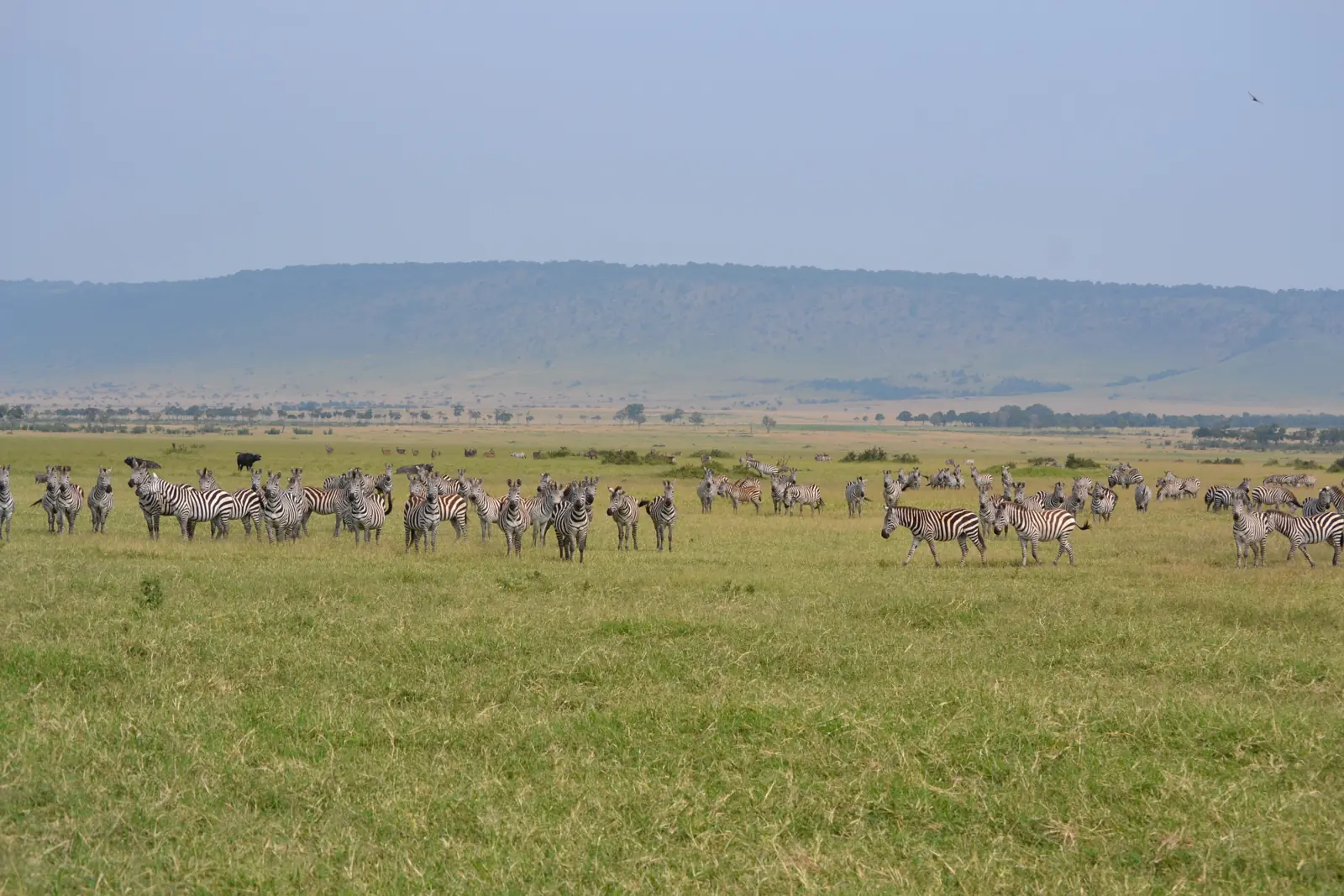
This is one of the first questions people ask me when they hear we spent three weeks in Kenya. Kenya and Tanzania share a border, a lot of the same wildlife and the same great wildebeest migration. The Maasai Mara in Kenya and the Serengeti in Tanzania are actually one connected ecosystem, split by a line on a map.
So you can't really go wrong. The differences come down to timing, how much ground you want to cover, how you like to travel and what else you want on the trip. Here's how I'd think it through.
Kenya vs Tanzania at a glance
| Kenya | Tanzania | |
|---|---|---|
| Headline parks | Maasai Mara, Amboseli, Samburu, Laikipia, Tsavo, Lake Nakuru | Serengeti, Ngorongoro Crater, Tarangire, Lake Manyara |
| Migration months (typical) | About July to October in the Mara | Roughly November to July across the Serengeti, including calving from January to March |
| Main gateway | Nairobi | Kilimanjaro or Arusha |
| Distances | Parks are spread out; short bush flights help | The northern circuit is easy to drive as a loop; the Serengeti is huge |
| Private conservancies | A big strength, especially around the Mara and in Laikipia | Fewer, with most safaris inside national parks |
| Add-ons | Diani coast, Lamu, Nairobi's elephant orphanage | Zanzibar, climbing Kilimanjaro |
| Entry paperwork for US travelers | Electronic Travel Authorization (eTA) | eVisa |
The parks and what each country does best
Kenya
Kenya's big draw is variety packed into one trip. On our honeymoon, our guide Polycarp took my wife, my father-in-law and me from the quiet Laikipia plateau at Sosian to the flamingo-ringed shores of Lake Nakuru, then on to the Maasai Mara, and finally down to Tsavo, where we watched hippos through the clear water at Mzima Springs. Each stop felt like a different country.
The other thing Kenya does very well is private conservancies. These are areas leased from Maasai landowners and local communities, with limits on how many vehicles go out. Many allow night drives and guided walks, which the main reserve doesn't. I wrote more about that in our post on a luxury safari in Kenya.
Tanzania
Tanzania's strength is scale. The Serengeti covers far more ground than the Mara, so you can find quiet corners, and the herds spend most of the year on the Tanzanian side. The Ngorongoro Crater is a collapsed volcano with a floor full of wildlife, and it's one of the few places where you can see a lot of animals in a single morning. Tarangire is known for big elephant herds and baobab trees, especially in the dry season.
The classic Tanzanian "northern circuit" links Tarangire, Lake Manyara, Ngorongoro and the Serengeti, starting from Arusha. It flows nicely as a road trip, though the Serengeti itself is a long drive and many people fly at least one leg.
Migration timing: which side, which month
If the Great Migration is the main reason for your trip, the calendar may pick the country for you. The herds follow the rain and the grass, so treat these months as typical patterns that shift from year to year:
- January to March: southern Serengeti in Tanzania, with calving season and lots of predator action.
- April to May: long rains. Herds move north and west through the Serengeti. Many camps close or drop prices.
- June to July: western and northern Serengeti, with Grumeti River crossings. The first herds usually reach Kenya.
- August to September: the Maasai Mara in Kenya and the far northern Serengeti, with Mara River crossings.
- October to December: herds start drifting back south into Tanzania as the short rains arrive.
The Mara is compact, so in August and September the herds are packed into a small area and easy to reach. The flip side is that it's busy. The northern Serengeti sees the same river at the same time, with more space but longer travel to get there. Our Great Migration guide covers crossings and where to stay in more detail.
Costs and park fees
Both countries can be done on a budget or at the very high end, and the type of camp you choose matters more than the country. Park fees are where the two differ most, and both governments change them, so treat these figures as a guide and confirm them when you book.
| Fee (non-resident adult) | Approximate 2026 rate |
|---|---|
| Maasai Mara National Reserve, January to June | US$100 per person per day |
| Maasai Mara National Reserve, July to December | US$200 per person per day |
| Serengeti National Park conservation fee | About US$71 to US$83 per person per 24 hours, depending on season, including VAT |
A few things change the math. Mara conservancies charge their own fees, which are usually built into your camp rate. In Tanzania, fees are charged per 24 hours, camps inside the parks often add a nightly concession fee, and the Ngorongoro Crater has a separate per-vehicle fee to drive down to the crater floor. On a multi-park Tanzania trip, those add up.
For a full breakdown on the Kenya side, see our guide to Kenya safari costs.
Visas and entry
- Kenya: most visitors, including US citizens, apply online for an Electronic Travel Authorization before flying. Our Kenya eTA guide walks through it.
- Tanzania: apply for an eVisa through the Tanzania Immigration Services portal. Most nationalities pay US$50 for a single-entry visa. US citizens are issued a multiple-entry visa at US$100.
The East Africa Tourist Visa covers Kenya, Uganda and Rwanda. It does not include Tanzania, so if you combine the two countries you'll need both. Rules change often, so check the official government sites close to your trip.
Can you combine Kenya and Tanzania?
Yes, and plenty of people do. Keep a few things in mind:
- There's no simple road between the Mara and the Serengeti for tourists. Most people fly back through Nairobi and on to Kilimanjaro or Arusha. Some cross-border bush flights have run in certain seasons, so ask your planner what's operating for your dates.
- Allow at least ten days. Two countries means extra travel time, and you'll want three or four nights in each main park.
- Match the season to the route. A trip in July or October can catch the herds on one side and still give you great general game viewing on the other.
- Finish at the beach. Zanzibar in Tanzania and the Kenya coast are both easy add-ons after a dusty week on safari.
Which should you choose?
Pick Kenya if you want lots of variety in one trip, private conservancies with night drives and walks, the Mara in August or September, or a stop at the elephant orphanage in Nairobi. Meeting Maasai families in a village near the Mara and joining in the adumu, the jumping dance, was one of the moments my wife and I still talk about most.
Pick Tanzania if you're traveling between December and July and want the migration, if the Ngorongoro Crater is on your list, or if you'd like to pair your safari with Zanzibar or a Kilimanjaro climb.
If you're still torn, a planner who works in both countries can lay out the two options side by side for your dates. Companies like Go2Africa (opens in a new tab) build custom East Africa trips, and TourRadar (opens in a new tab) lists group and small-group safaris in both countries that you can compare. When you're ready to sketch out a Kenya trip, start with our safari planning page.
Ready to plan your Kenya safari?
Compare safari specialists, multi-day tour marketplaces and local experiences, then choose the one that fits how you want to travel.
Discover Africa
Plan a tailor-made safari in East or Southern Africa with a Cape Town-based specialist team, including lodges, transfers and guided experiences.
Explore Discover Africa (opens in a new tab)Go2Africa
Work with an African safari specialist to plan a tailored itinerary, including accommodation, transfers, and experiences.
Explore Go2Africa (opens in a new tab)Safari.com
Browse safari destinations, lodges, and itineraries, then connect with a specialist to plan your trip.
Explore Safari.com (opens in a new tab)TourRadar
Compare organized multi-day safaris and tours from different operators, with itineraries and departure options to explore.
Compare safari tours (opens in a new tab)Viator
Explore game drives, day trips, and other experiences to add to your Africa itinerary. Check each listing for duration and operator details.
Explore safari experiences (opens in a new tab)Frequently asked questions
Is a Tanzania safari better than Kenya?
Neither is better overall. Kenya offers more variety in one trip and strong private conservancies. Tanzania has the vast Serengeti and the Ngorongoro Crater. Your travel dates often decide it, because the migration spends different months in each country.
When is the Great Migration in Tanzania vs Kenya?
The herds are usually in Tanzania's Serengeti from about November to July, with calving from January to March. They typically reach Kenya's Maasai Mara around July and stay until about October. Timing shifts with the rains each year.
Can you drive from the Maasai Mara to the Serengeti?
There is no simple tourist road between the two parks. Most travelers fly through Nairobi to Kilimanjaro or Arusha. Some seasonal cross-border flights have operated, so check with your planner for your dates.
Does the East Africa Tourist Visa cover Tanzania?
No. It covers Kenya, Uganda and Rwanda. If you visit Kenya and Tanzania, you need Kenya's eTA and a separate Tanzanian visa.
How long do you need to combine Kenya and Tanzania?
Plan on at least ten days, and two weeks is more comfortable. That gives you three or four nights in each main park plus travel days between the countries.
Keep reading
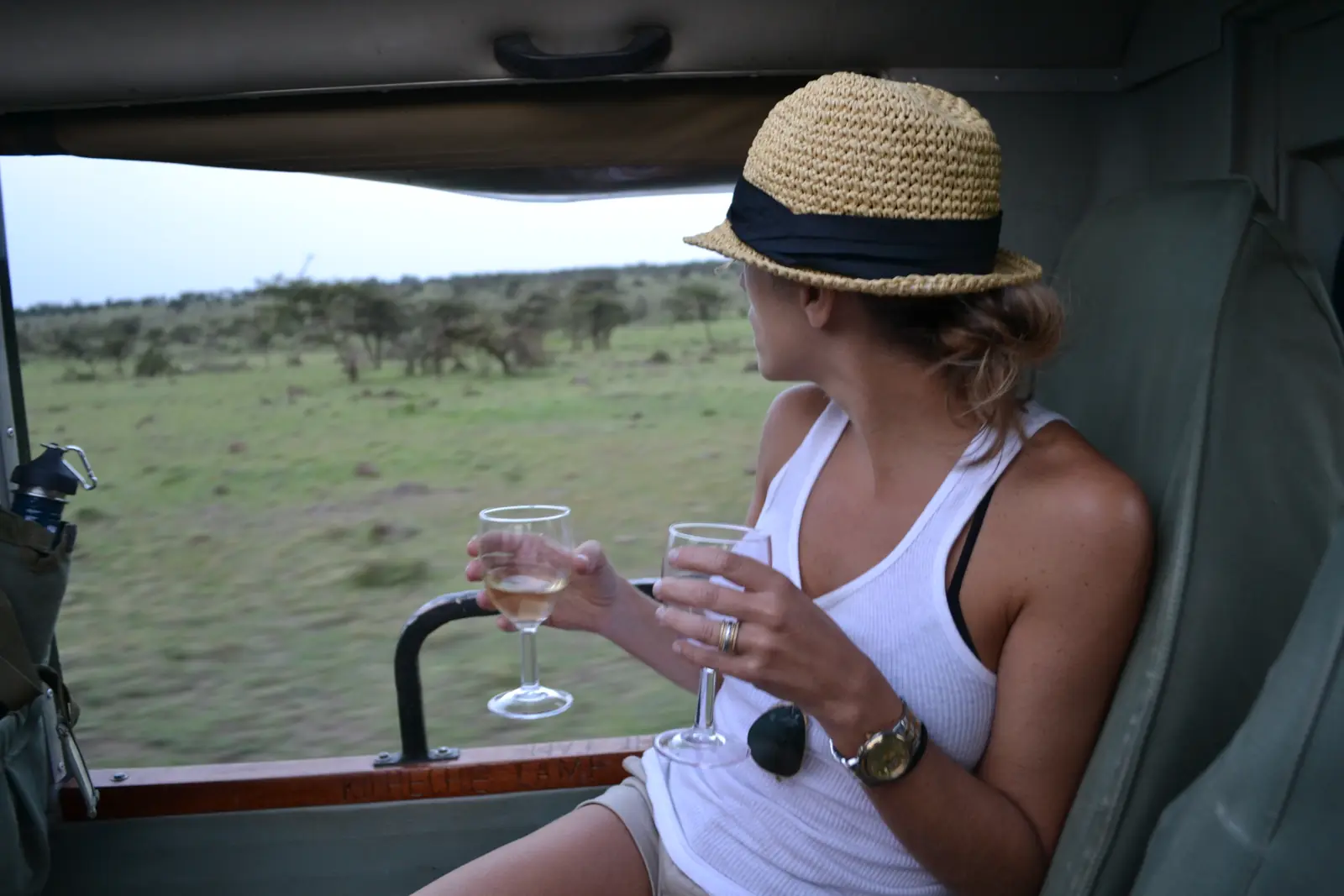 Planning · October 29, 2026
Luxury Safari in Kenya
What a luxury safari in Kenya really gets you: private conservancies, a private vehicle and guide, fly-in camps, and what drives the cost of a high-end trip.
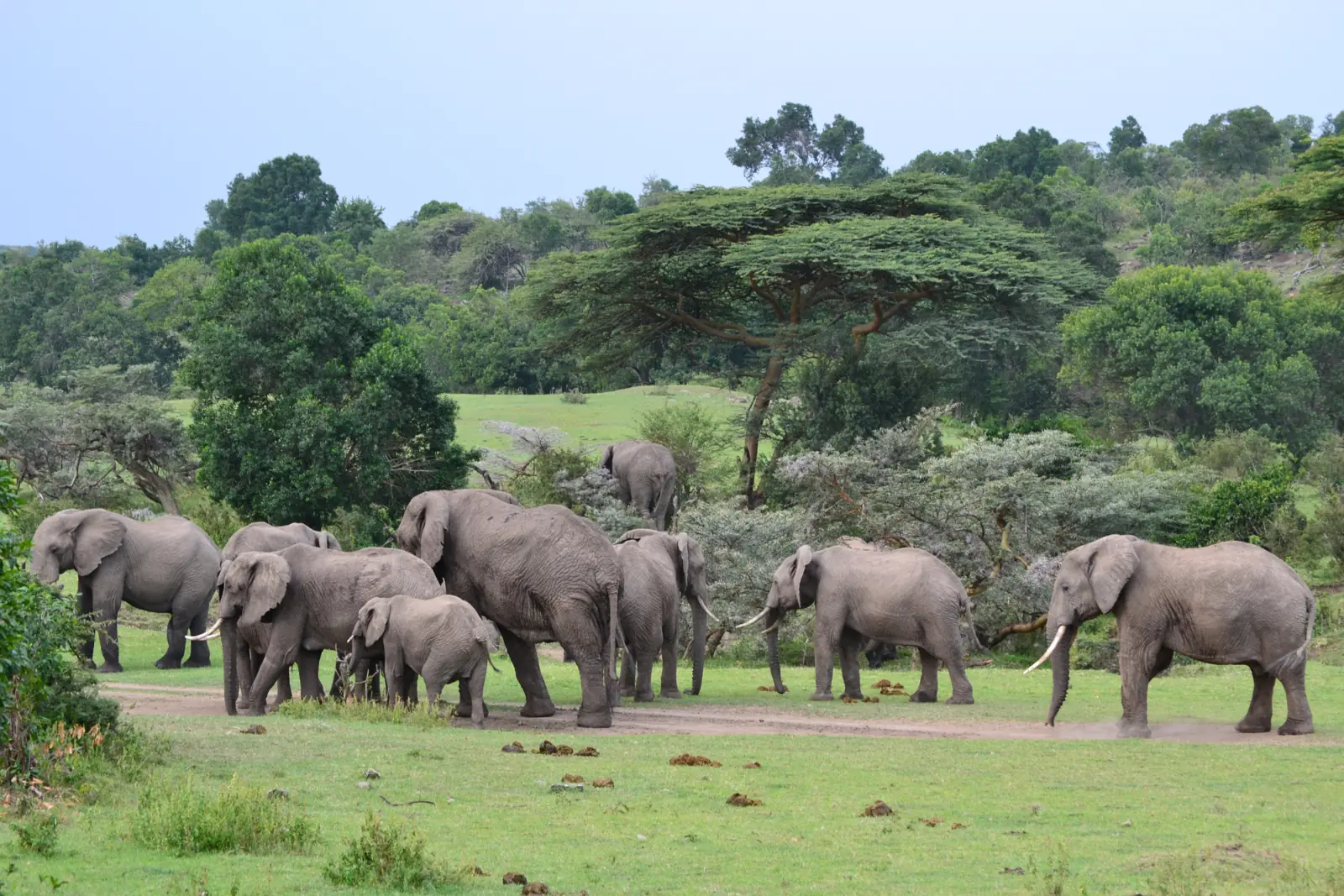 Wildlife · October 30, 2026
Elephant Facts
Elephant facts for safari travelers: family life, the 22-month pregnancy, why Tsavo's elephants are red, and visiting the Nairobi elephant orphanage in Kenya.
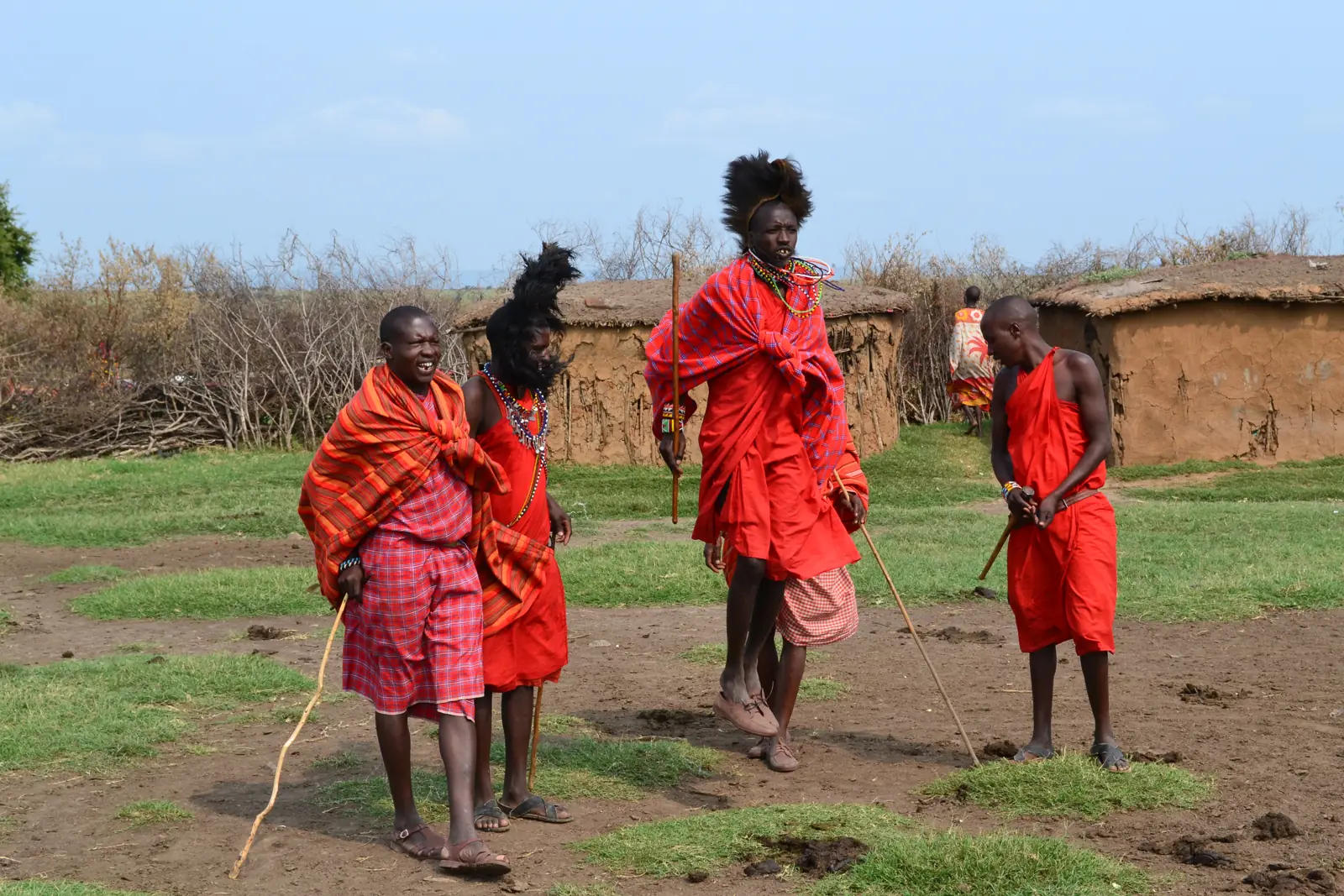 People & culture · October 28, 2026
Maasai Culture
An introduction to Maasai culture in Kenya: cattle, the shuka and beadwork, the adumu jumping dance, manyattas, and how to visit a Maasai village respectfully.