Luxury safari in Kenya: what you're really paying for
We may earn a commission if you book or shop through links on this page. You choose the provider that works best for you.
What "luxury" means on a Kenya safari
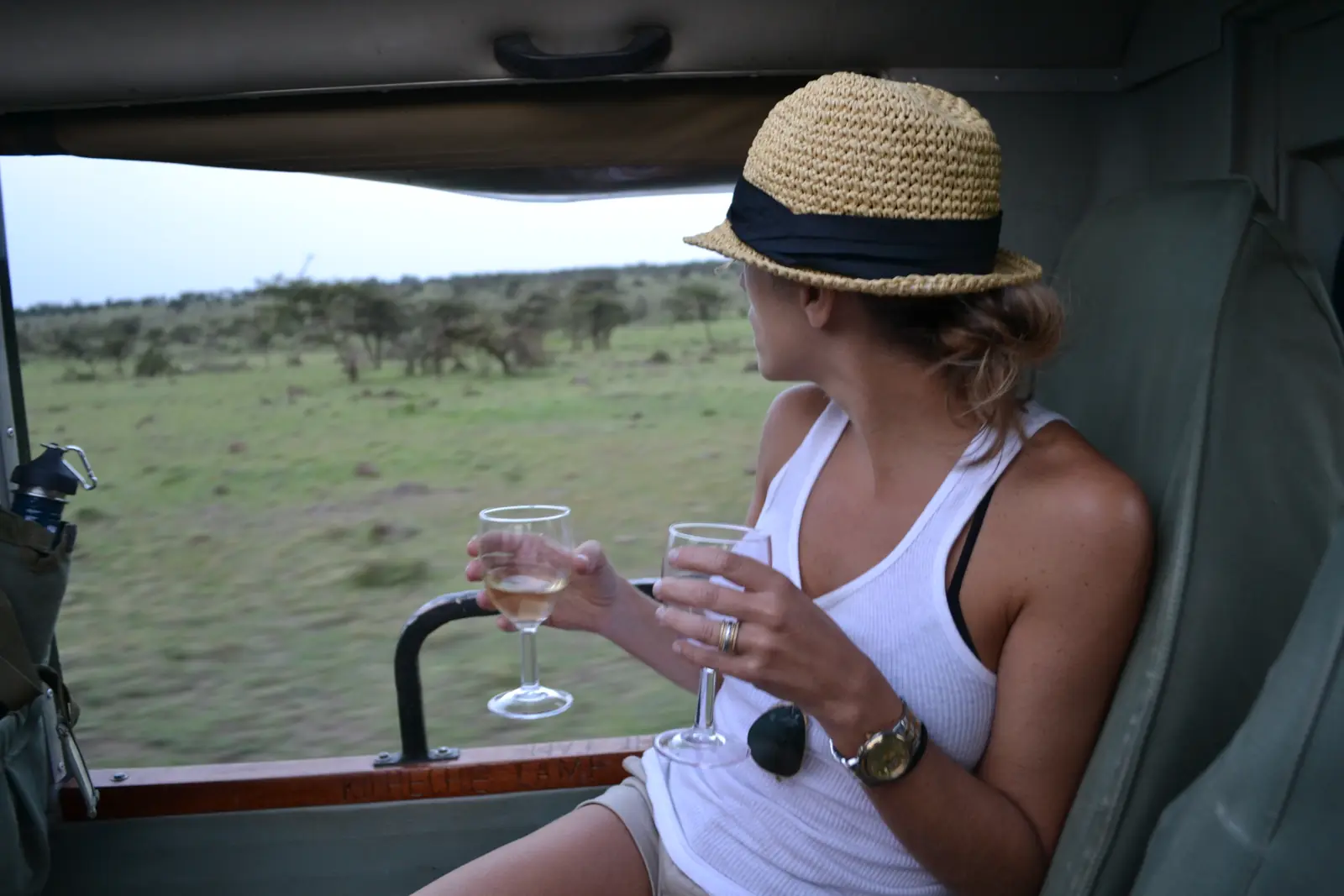
When people hear "luxury safari," they picture a big bed, a plunge pool and a glass of wine at sunset. Those are nice. After three weeks in Kenya on our honeymoon, with my wife and my father-in-law along for the ride, I came home thinking the best parts were space, time and a great guide.
On a well-planned high-end safari you pay for fewer vehicles at each sighting, the freedom to stay with an animal as long as you like, and access to areas and activities that standard park trips can't offer. The comfort of the camp matters, but it comes second to what happens out on the land.
Here are the three things that make the biggest difference, plus what to expect on cost.
1. Private conservancies
Many of Kenya's top camps sit inside private conservancies. These are areas of land, often owned by local Maasai families or communities, that are leased for wildlife and tourism. Around the Maasai Mara, well-known examples include Mara North, Naboisho, Olare Motorogi and Ol Kinyei. Laikipia, north of Mount Kenya, is another region made up largely of private ranches and conservancies.
The rules in a conservancy are different from the main national reserve, and that's where much of the value lies:
| Feature | Maasai Mara National Reserve | Typical private conservancy |
|---|---|---|
| Who can drive in | Any registered safari vehicle | Usually guests of the camps inside it |
| Off-road driving | Not allowed; vehicles stay on tracks | Often allowed with guides, within set limits |
| Night drives | Not allowed | Often offered |
| Walking safaris | Not allowed | Often offered with a ranger |
| Crowds at sightings | Can be busy in peak months | Kept low by limits on camp beds |
Rules vary by conservancy, so check with your camp or planner before you book. Conservancy fees also help pay local landowners, which gives families a reason to keep the land open for wildlife. You can read more about that in our post on Maasai culture.
We spent part of our trip on the Laikipia plateau at Sosian, and it felt like a different world from the busier parks. Days were quiet. We'd sit with elephants or giraffes without another vehicle in sight, and nobody was rushing us along.
2. A private vehicle and a great guide
On many group safaris you share a vehicle with strangers who each want something different. One person wants to watch lions all morning, another wants to get back for lunch. A private vehicle solves that. You set the pace.
The guide matters even more than the vehicle. Polycarp guided us for the whole three weeks, and he made the trip. He could read animal behavior, knew when to wait and when to move, and kept my father-in-law laughing through long drives. A guide like that is worth more than any thread count.
When you compare high-end trips, ask:
- Is the vehicle private for your group, or shared with other guests?
- Will the same guide be with you throughout, or does it change at each camp?
- Are game drive times flexible, including full days out with a packed lunch?
- How many guests does each vehicle carry at most?
The best moments of our trip came from that flexibility: a long, slow sundowner in the Land Cruiser in the Mara, a morning spent with one leopard in a fig tree, and an afternoon watching the hippos at Mzima Springs in Tsavo.
3. Fly-in camps
Kenya's safari areas are far apart, and the roads between them can be long and bumpy. Many luxury itineraries use small scheduled planes or charters from Wilson Airport in Nairobi to bush airstrips close to the camps. A flight can turn most of a day on the road into about an hour in the air.
Fly-in trips come with one catch: strict baggage limits. Bush flights usually require soft-sided bags and set a weight limit per person. Your planner will confirm the exact rule for your flights. Our safari packing list covers how to pack light for these flights.
Driving has its upsides too. You see more of the country, and road time with a good guide is rarely wasted. Many people mix both: drive one leg and fly the longer ones.
What the camps are like
High-end safari camps in Kenya range from permanent tented camps to stone-and-thatch lodges. Common features include:
- Spacious tents or suites with private bathrooms and views over a river, plain or waterhole
- Meals included, often with bush breakfasts or dinners outside
- Game drives and guiding included in the nightly rate
- Small guest numbers, sometimes only a handful of tents
- Extras such as walking safaris, night drives, cultural visits or hot-air balloon flights in the Mara
Check what is included in each rate. Some camps include drinks, park and conservancy fees and laundry. Others charge separately.
How much does a luxury safari in Kenya cost?
Prices vary widely by season, camp and how you travel, so it's best to get quotes for your exact dates. A few things push the total up:
- Season. July to October, during the migration in the Mara, is usually the most expensive and the busiest. Our guide to the best time to visit Kenya covers the trade-offs.
- Park and conservancy fees. These are charged per person per day. For 2026, the Maasai Mara National Reserve lists a non-resident adult fee of US$100 per day from January to June and US$200 per day from July to December. Conservancy fees are separate and vary. Fees change, so confirm current rates before you travel.
- Flights. Bush flights between regions add up, especially for multi-stop trips.
- Private vehicle and guide. Often charged as a supplement.
For a full breakdown of budget, mid-range and high-end options, see our Kenya safari cost guide.
Is a luxury safari worth it?
For us, the parts that were worth paying for were the quiet conservancy days, the private vehicle and having Polycarp with us from start to finish. If you can only stretch the budget for one thing, put it toward a great guide and a few nights in a conservancy. You can save on the rest by mixing in simpler lodges or driving some legs instead of flying.
If this is a honeymoon or a once-in-a-lifetime trip, a few splurge nights at the end can be a lovely way to finish.
How to plan a high-end Kenya safari
A custom safari specialist can match camps, conservancies and flights to your dates and budget. You can start by exploring safari planning resources, or talk with a specialist such as Go2Africa (opens in a new tab) or Safari.com (opens in a new tab) about a tailored itinerary. Ask each one the questions above about vehicles, guides and conservancy access so you can compare like for like.
Ready to plan your Kenya safari?
Compare safari specialists, multi-day tour marketplaces and local experiences, then choose the one that fits how you want to travel.
Discover Africa
Plan a tailor-made safari in East or Southern Africa with a Cape Town-based specialist team, including lodges, transfers and guided experiences.
Explore Discover Africa (opens in a new tab)Go2Africa
Work with an African safari specialist to plan a tailored itinerary, including accommodation, transfers, and experiences.
Explore Go2Africa (opens in a new tab)Safari.com
Browse safari destinations, lodges, and itineraries, then connect with a specialist to plan your trip.
Explore Safari.com (opens in a new tab)TourRadar
Compare organized multi-day safaris and tours from different operators, with itineraries and departure options to explore.
Compare safari tours (opens in a new tab)Viator
Explore game drives, day trips, and other experiences to add to your Africa itinerary. Check each listing for duration and operator details.
Explore safari experiences (opens in a new tab)Frequently asked questions
What is a private conservancy in Kenya?
It's an area of land, often owned by Maasai families or local communities, leased for wildlife and tourism. Conservancies usually limit guest numbers and often allow activities that the national reserve does not, such as night drives and walking safaris.
Is a luxury safari in the Maasai Mara worth it?
It depends on what you value. Staying in a conservancy with a private vehicle means fewer crowds at sightings and more flexibility, which many travelers find makes the biggest difference to the trip.
What are the baggage rules on safari bush flights?
Bush flights usually require soft-sided bags and set a per-person weight limit. The exact limit depends on the airline and route, so confirm it with your planner before you pack.
When is the most expensive time for a Kenya safari?
July to October is usually the priciest period in the Maasai Mara, because it's migration season and the busiest time of year. Park fees for the reserve are also higher in the second half of the year.
Keep reading
 Wildlife · October 30, 2026
Elephant Facts
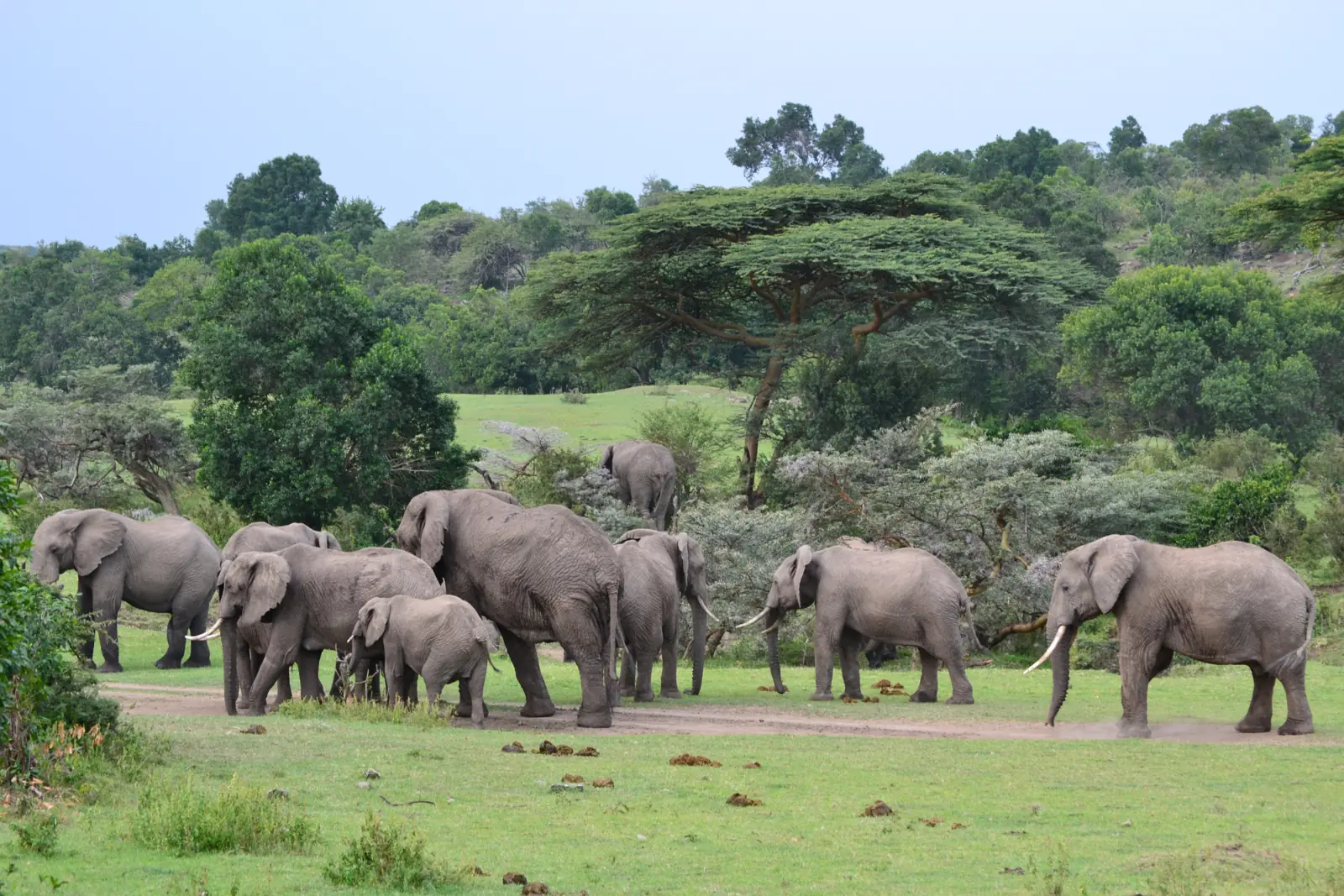
Elephant facts for safari travelers: family life, the 22-month pregnancy, why Tsavo's elephants are red, and visiting the Nairobi elephant orphanage in Kenya.
 People & culture · October 28, 2026
Maasai Culture
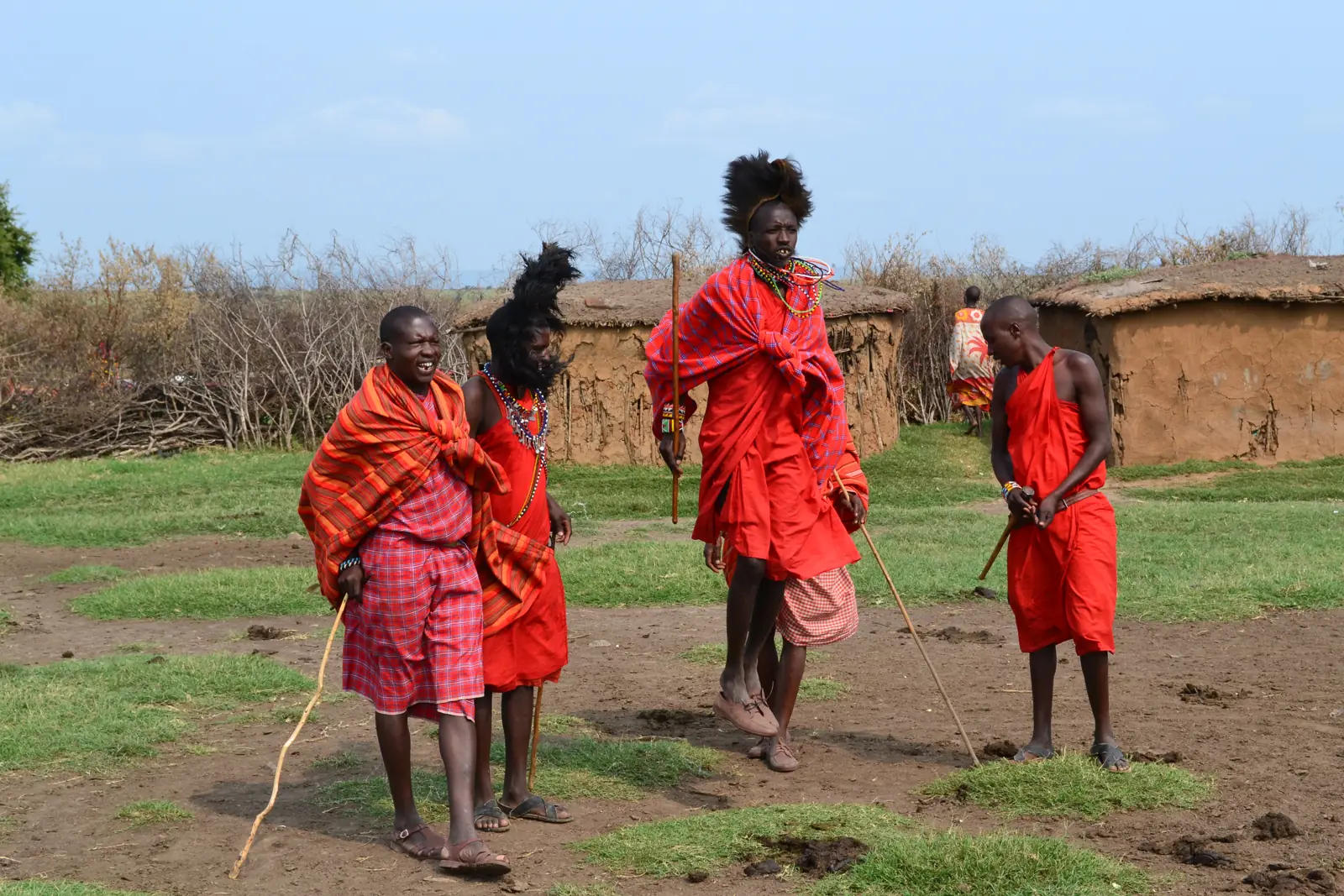
An introduction to Maasai culture in Kenya: cattle, the shuka and beadwork, the adumu jumping dance, manyattas, and how to visit a Maasai village respectfully.
 Wildlife · October 28, 2026
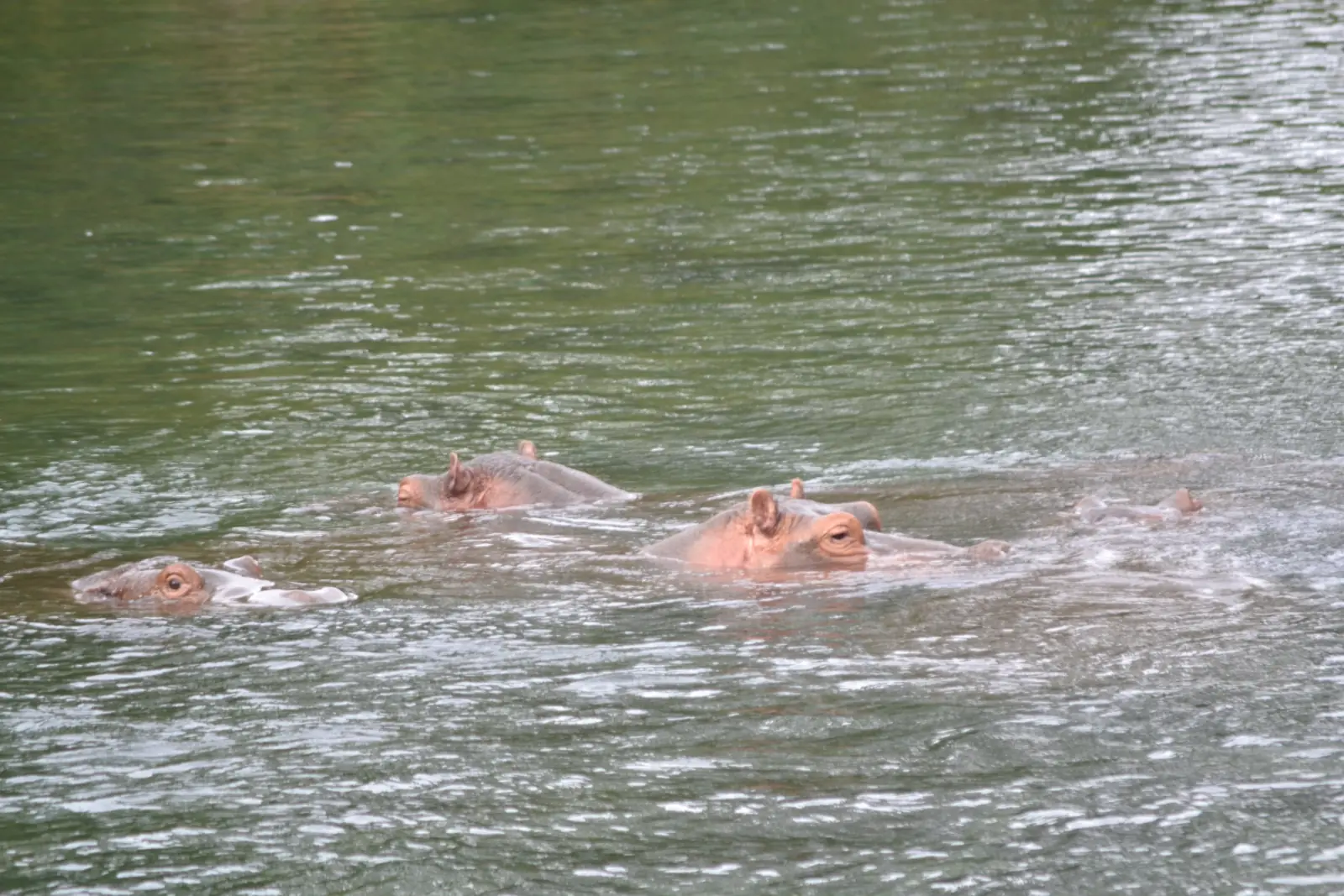
Hippo Facts
Surprising hippo facts: how much they weigh, why they can't swim, their "blood sweat", why they're so dangerous, and the best places to see hippos in Kenya.