
Hippo facts: 12 surprising things about hippos
We may earn a commission if you book or shop through links on this page. You choose the provider that works best for you.
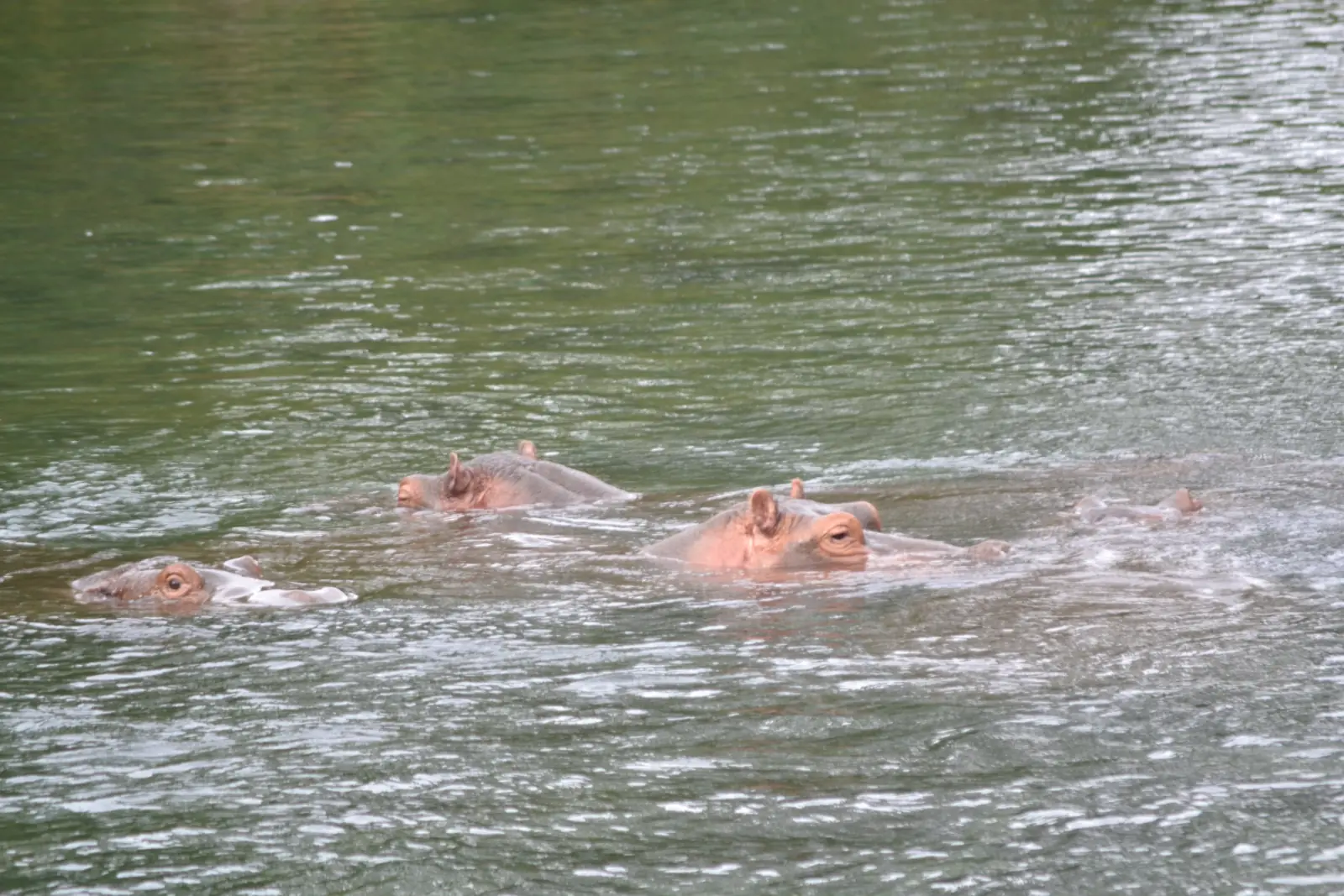
12 hippo facts
- They're enormous. Adult hippos usually weigh around 1,300–1,500 kg, and large males can reach well over 2,000 kg. Only elephants and some rhinos are heavier on land.
- They can't swim. Hippos are too dense to float. They walk or bounce along the bottom of rivers and lakes, pushing off to surface for air.
- They hold their breath for minutes. An adult can stay under for around five minutes, and they surface to breathe automatically, even while asleep.
- They make their own sunscreen. Hippos secrete a reddish oily fluid, often called "blood sweat." It isn't blood or sweat, but it helps protect their skin from the sun and may fight germs.
- They graze at night. After dark, hippos leave the water and walk several kilometers to graze, eating a large amount of grass each night.
- Their name means "river horse." It comes from the Greek hippopotamos.
- Their closest living relatives are whales and dolphins. Hippos and cetaceans share a common ancestor.
- That big yawn is a warning. When a hippo opens its mouth wide, it's usually showing off its tusks to rivals, not yawning from boredom.
- Their teeth never stop growing. The lower canines can grow to around 50 cm and sharpen as they grind together.
- They're fast on land. Despite their size, hippos can charge at around 30 km/h over short distances.
- They live in groups. Pods are often 10–30 animals, usually led by a dominant male who defends a stretch of river.
- Babies are born underwater. Calves can nurse underwater too, closing their ears and nostrils.
Why hippos are so dangerous
Hippos look slow and placid, but they're aggressively territorial in the water and protective of their calves. Most dangerous encounters happen when people get between a hippo and the water, or come too close by boat. On safari, always follow your guide's instructions near rivers and lakes, and never walk along a riverbank at night.
Where to see hippos in Kenya
- Mara River, Maasai Mara: large pods packed into river pools, often alongside Nile crocodiles. We watched them from a high bank, grunting and splashing all afternoon.
- Mzima Springs, Tsavo West: crystal-clear spring water means you can sometimes see hippos moving underwater from the bank.
- Lake Naivasha: boat trips get you close (with an experienced boatman) to hippos and fish eagles.
Planning a trip around Kenya's rivers and lakes? Compare safari specialists and tour operators on our safari planning resources page.
Ready to plan your Kenya safari?
Compare safari specialists, multi-day tour marketplaces and local experiences, then choose the one that fits how you want to travel.
Go2Africa
Work with an African safari specialist to plan a tailored itinerary, including accommodation, transfers, and experiences.
Explore Go2Africa (opens in a new tab)Safari.com
Browse safari destinations, lodges, and itineraries, then connect with a specialist to plan your trip.
Explore Safari.com (opens in a new tab)TourRadar
Compare organized multi-day safaris and tours from different operators, with itineraries and departure options to explore.
Compare safari tours (opens in a new tab)Viator
Explore game drives, day trips, and other experiences to add to your Africa itinerary. Check each listing for duration and operator details.
Explore safari experiences (opens in a new tab)Frequently asked questions
How much does a hippo weigh?
Adults typically weigh about 1,300–1,500 kg. Large males can exceed 2,000 kg.
Can hippos swim?
No. They're too dense to float, so they walk or push off along the bottom of rivers and lakes.
Are hippos dangerous to people?
Yes. They're very territorial and protective, and are considered one of the most dangerous large animals in Africa. Keep your distance and follow your guide.
What do hippos eat?
Mostly grass. They leave the water at night to graze and return before the heat of the day.
Keep reading
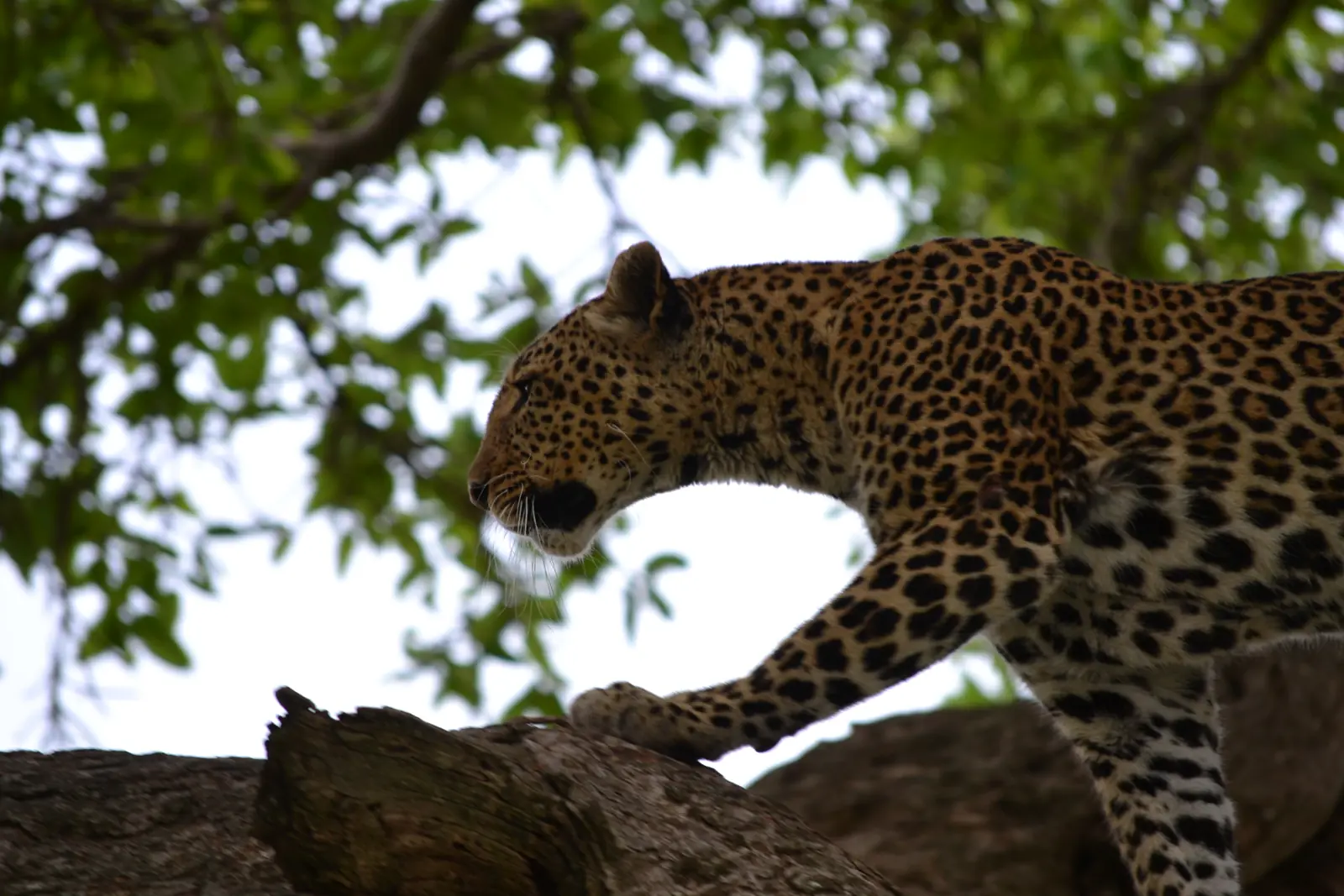 Wildlife · October 28, 2026
Cheetah vs Leopard
Cheetah or leopard? The quick ways to tell these spotted cats apart by spots, face, body shape and behavior, with tips for finding both in Kenya.
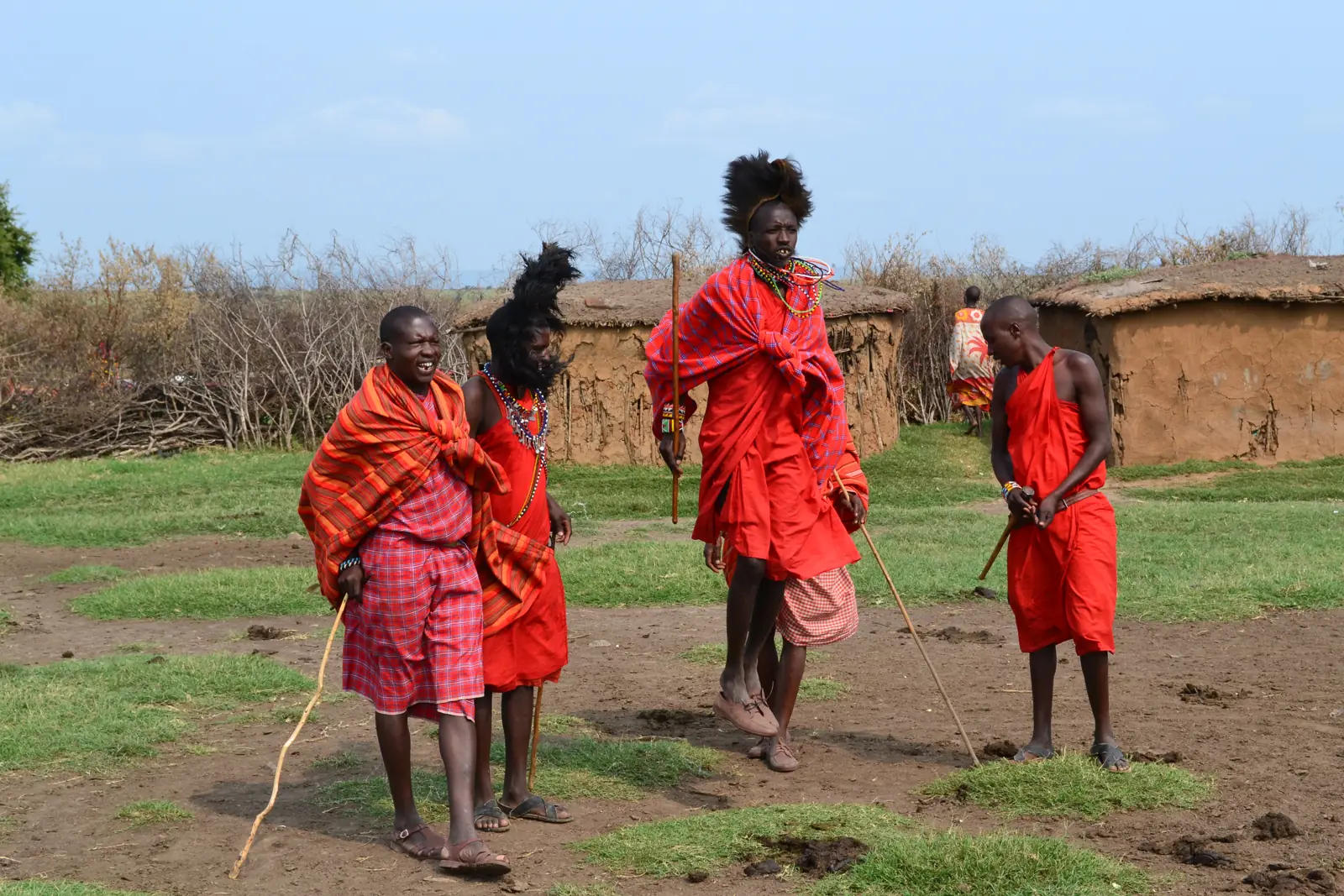 People & culture · October 28, 2026
Maasai Culture
An introduction to Maasai culture in Kenya: cattle, the shuka and beadwork, the adumu jumping dance, manyattas, and how to visit a Maasai village respectfully.