
Maasai culture: traditions, dress and visiting a village
We may earn a commission if you book or shop through links on this page. You choose the provider that works best for you.
Who are the Maasai?
The Maasai live across the Great Rift Valley in southern Kenya and northern Tanzania, including the land around the Maasai Mara and the Serengeti. They speak Maa, and many also speak Swahili and English. Traditionally, Maasai families move with their herds in search of grass and water, and cattle are at the center of daily life, wealth and ceremony.
Cattle at the heart of life
Cattle provide milk, meat, and hides, and they mark a family's standing. Cattle are given at marriages and other important occasions. Young boys learn to herd early, and you'll often see them walking with the animals across the plains, stick in hand.
The shuka and beadwork
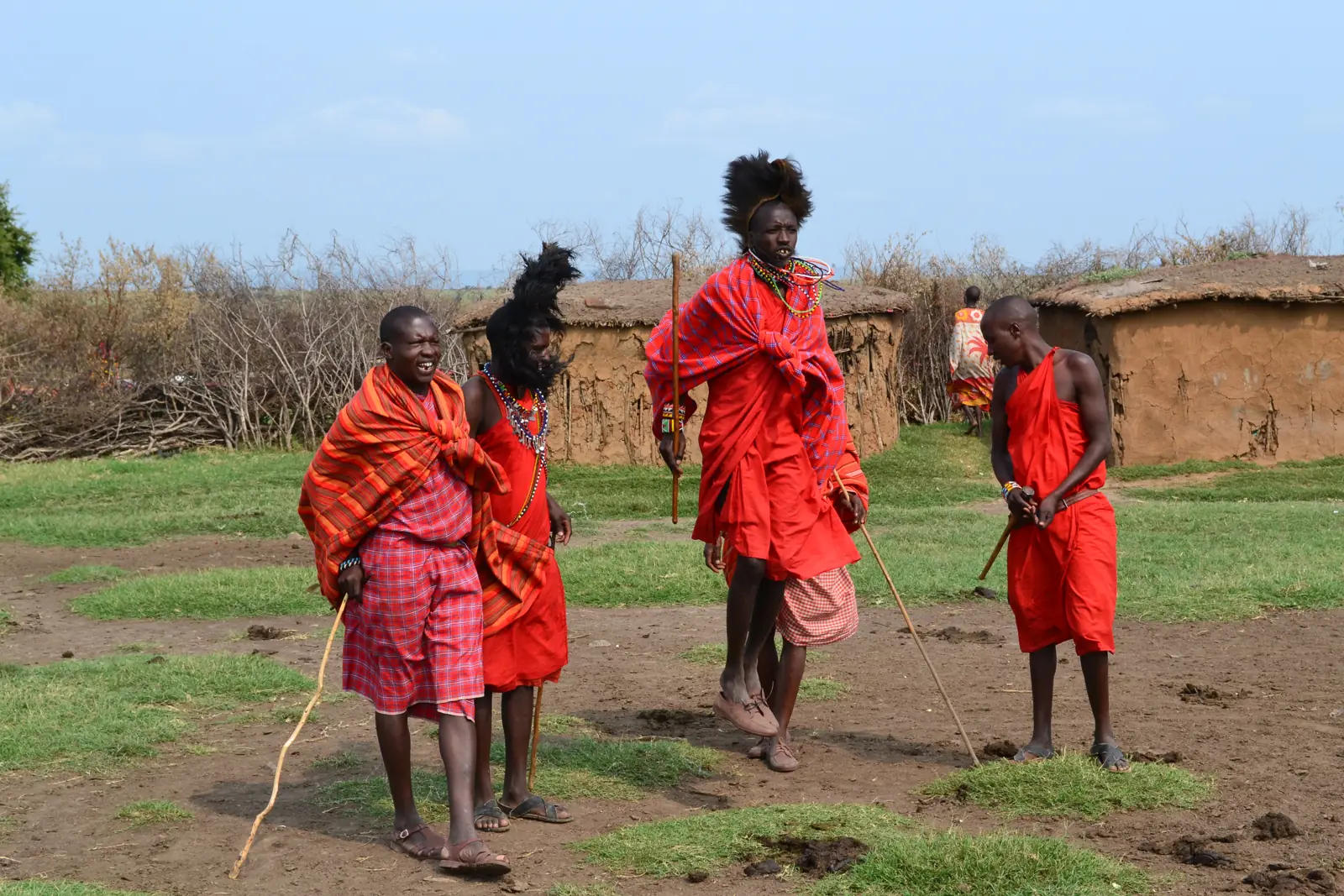
The shuka is the bright cloth, often red and checked, worn wrapped around the body. Red is widely associated with the Maasai and is often said to stand out against the landscape. Beadwork is made by women, and colors and patterns carry meaning, such as age, marital status and social role. Wide beaded collars, earrings and bracelets are worn by both women and men.
The adumu jumping dance
The adumu is performed by young men, the moran, during ceremonies. Men form a circle and take turns stepping into the middle to jump straight up, keeping their bodies upright and their heels off the ground, while the others sing in deep rhythm. The height of the jump is a point of pride. When we visited a village near the Mara, the moran invited me in. My jumps were not impressive, and the laughter was entirely deserved.
Manyattas and homes
A Maasai homestead, often called a manyatta or enkang, is a group of low, rounded houses built by women from timber poles, mud, sticks, grass and cow dung, which sets hard in the sun. A thorn fence surrounds the homestead, and cattle are brought inside at night to protect them from predators.
Age sets and stages of life
Maasai society is organized around age sets: groups of people who pass through the stages of life together, from boyhood to moranhood to elderhood. Ceremonies mark each transition, and elders hold authority in community decisions.
The Maasai and wildlife
Many Maasai families around the Mara now lease their land to wildlife conservancies such as Olare Motorogi and Naboisho. The arrangement gives animals room to roam, provides a steady income for landowners, and creates jobs as guides and rangers. Our guide grew up herding cattle near the reserve and could read animal behavior like no one we've ever met.
How to visit a Maasai village respectfully
- Go with a guide or through your camp. They can arrange a visit with a community that welcomes guests and agrees on how the entrance fee is shared.
- Ask before taking photos, especially of individuals and children. Most people are happy to be photographed when asked, and some may prefer not to be.
- Dress modestly and follow your hosts' lead on where to sit and walk.
- Buy beadwork directly from the women who made it if you'd like a keepsake. Haggling is expected, but keep it friendly.
- Remember it's a home, not a show. Ask questions, listen, and be open to what people want to share.
Want a village visit as part of your trip? Many safari specialists can include one. Compare options on our safari planning resources page.
Ready to plan your Kenya safari?
Compare safari specialists, multi-day tour marketplaces and local experiences, then choose the one that fits how you want to travel.
Go2Africa
Work with an African safari specialist to plan a tailored itinerary, including accommodation, transfers, and experiences.
Explore Go2Africa (opens in a new tab)Safari.com
Browse safari destinations, lodges, and itineraries, then connect with a specialist to plan your trip.
Explore Safari.com (opens in a new tab)TourRadar
Compare organized multi-day safaris and tours from different operators, with itineraries and departure options to explore.
Compare safari tours (opens in a new tab)Viator
Explore game drives, day trips, and other experiences to add to your Africa itinerary. Check each listing for duration and operator details.
Explore safari experiences (opens in a new tab)Frequently asked questions
Where do the Maasai live?
In southern Kenya and northern Tanzania, across the Great Rift Valley, including around the Maasai Mara and Serengeti.
Why do the Maasai wear red?
Red shukas are a widely recognized part of Maasai dress. The color is often said to stand out against the landscape and to carry cultural significance.
What is the Maasai jumping dance called?
The adumu. Young warriors take turns jumping straight up in a circle while the group sings.
Can tourists visit a Maasai village?
Yes. Many communities welcome visitors for a fee, usually arranged by your guide or safari camp. Ask before taking photos.
Keep reading
 Wildlife · October 28, 2026
Hippo Facts
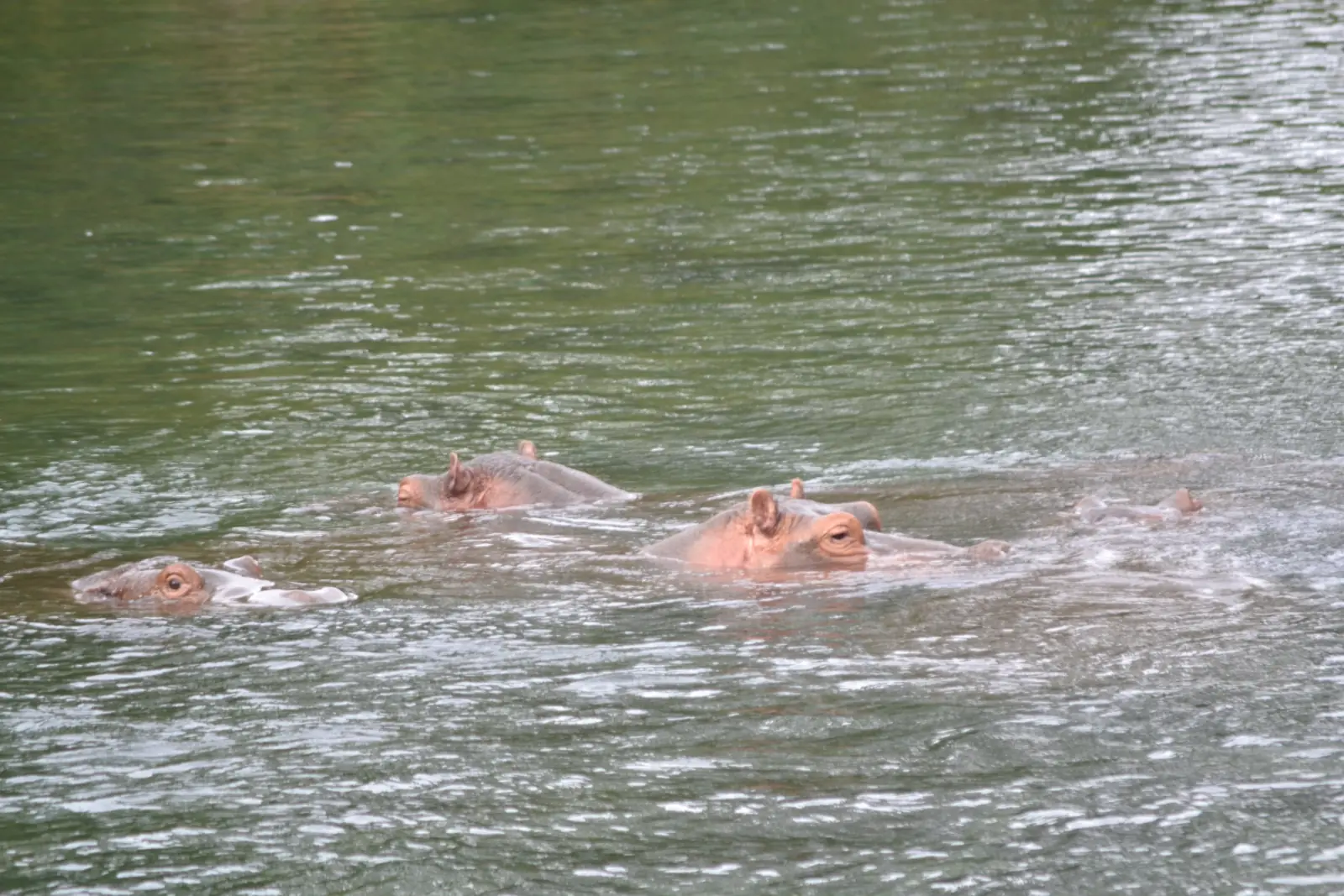
Surprising hippo facts: how much they weigh, why they can't swim, their "blood sweat", why they're so dangerous, and the best places to see hippos in Kenya.
 Wildlife · October 28, 2026
Cheetah vs Leopard
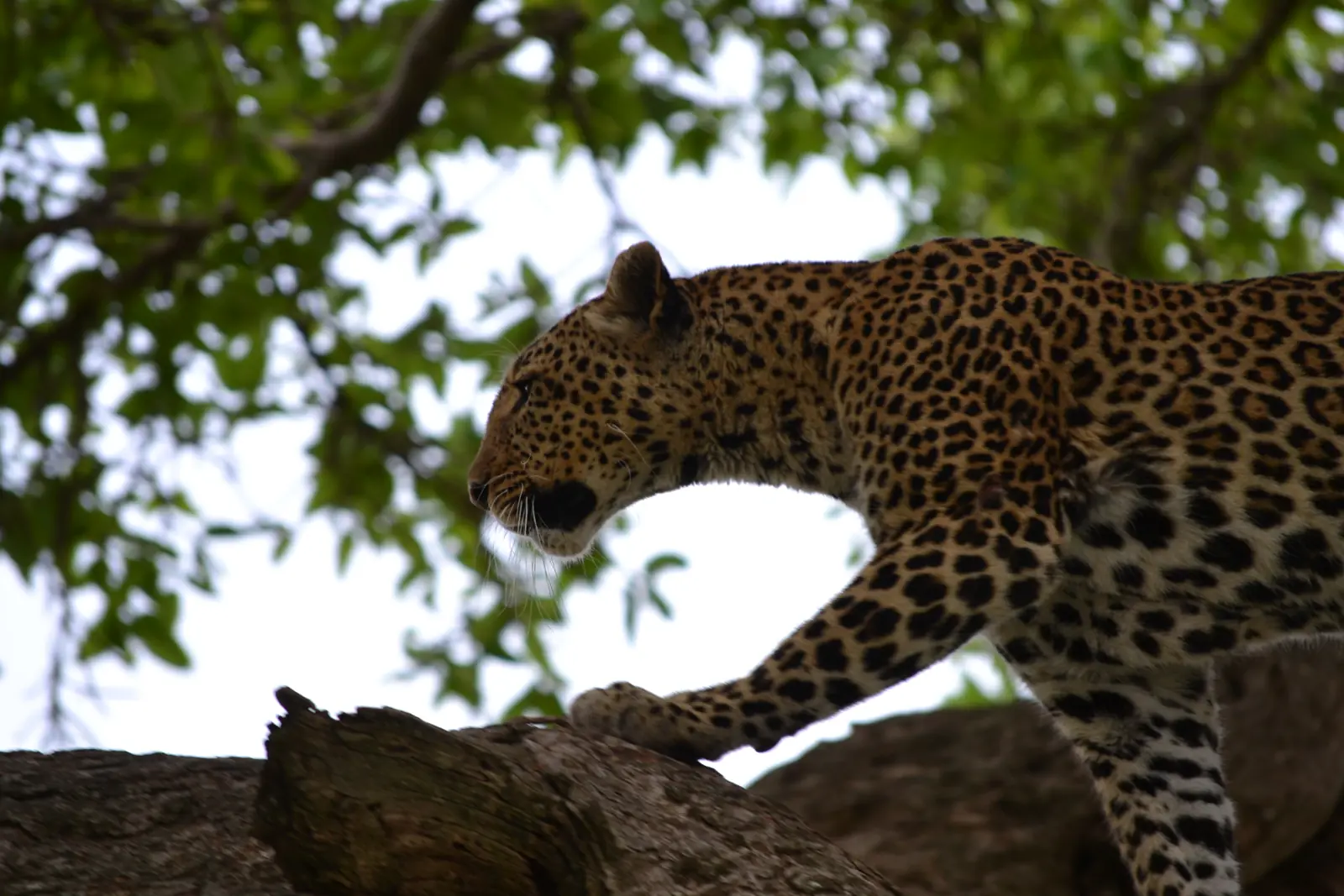
Cheetah or leopard? The quick ways to tell these spotted cats apart by spots, face, body shape and behavior, with tips for finding both in Kenya.